Viparita Karani / Uttanapadasana (Variant): The Restorative Legs Up the Wall Pose
Introduction
Viparita Karani (pronounced: vih-pah-REE-tah kah-RAH-nee) is a gentle, restorative yoga pose where you lie on your back and rest your legs vertically up against a wall. This simple position is sometimes known as the "Legs Up the Wall" pose and is also seen as a variation of Uttanapadasana (Raised Legs Pose).
The Sanskrit name Viparita Karani means "inverted action," and it captures the essence of this asana: calm, balance, and gentle soothing for the whole body and mind.
If you’ve ever felt stiff, achy, or drained after a long day of sitting or being on your feet, Viparita Karani can feel like pressing your body’s reset button. It's an asana that welcomes everyone—beginners included!
Step-by-Step Guide
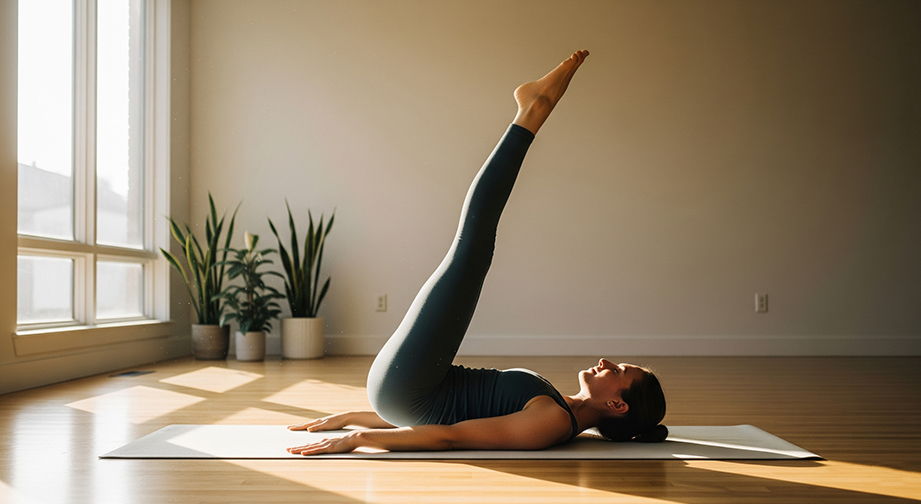
- Find Your Set-Up: Place a yoga mat or folded blanket next to a clear section of wall. Have a bolster, folded blanket, or firm cushion handy for extra support if you like.
- Sit Sideways to the Wall: Sit, with your right or left side touching the wall. Keep your knees bent and feet on the floor.
- Lie Down and Swing Your Legs Up: Gently lower your upper body onto the mat as you simultaneously swing your legs up and onto the wall. Adjust yourself so your sitting bones are close to, but not pressed against, the wall.
- Settle and Adjust: Rest your arms by your sides, palms facing up. Close your eyes if comfortable.
- Breathe and Relax: Inhale gently through the nose, and exhale slowly. Focus on elongating your exhale to help deepen relaxation.
- Inhale for 4 counts, exhale for 6–8 counts (optional).
- Duration: Stay in Viparita Karani for 3–10 minutes. Beginners can start with 3–5 minutes. Advanced practitioners may hold for up to 15 minutes.
- To Come Out: Bend your knees, roll to one side gently, and pause before pressing up to sit.
- Beginner Modifications: Place a folded blanket or bolster under your hips for extra support. Move further from the wall if hamstrings feel tight.
- Advanced Option: Add a hip lift with a yoga block or bolster under your sacrum for a gentle inversion. Try raising arms overhead for a deeper stretch.
Alignment & Safety Tips
- Key Alignment: Keep legs relaxed and straight (soft bend is okay); avoid locking knees. Make sure your entire back rests comfortably on the ground.
- Common Mistake: Scooting too close to the wall—this may strain your lower back.
- Head/Neck: Ensure your chin is slightly tucked (not jutting up) to keep the neck long.
- Arms: Out to the sides, palms up, or resting on belly for grounding.
- Safety: Avoid if you have recent or chronic back or neck injuries, glaucoma, severe migraines, or are in the third trimester of pregnancy.
Benefits of Viparita Karani (Legs Up the Wall)
Physical Benefits
- Relieves tired, cramped, or swollen legs and feet
- Gently stretches hamstrings and lower back
- Supports healthy blood circulation
- Reduces mild backache
- Improves posture by relaxing back and spinal muscles
Mental Benefits
- Promotes deep relaxation and stress relief
- Calms the nervous system
- Supports mindfulness and present-moment awareness
- Reduces symptoms of mild anxiety and insomnia
Energy / Chakra Connection
- Activates the parasympathetic nervous system (rest and digest mode)
- Balancing effect on Svadhisthana (Sacral Chakra) and Muladhara (Root Chakra)
- Helps gently rebalance energy (prana) throughout the body
Contraindications
- Should be avoided by those with serious neck or back injuries
- Not recommended for those with uncontrolled high blood pressure, glaucoma, or retinal problems
- If pregnant (third trimester), practice only with doctor’s permission or under guidance, or try Savasana (Corpse Pose) instead
Safe Alternatives
- Supported Bridge Pose (Setu Bandha Sarvangasana)
- Reclined Bound Angle Pose (Supta Baddha Konasana)
Beginner’s Tips & Variations
- Props: Use a bolster, folded blanket, or a pillow under hips for support
- Place a sandbag or folded towel gently on feet for grounding (optional)
- Try with legs wider, or knees slightly bent with feet together (a “butterfly” version)
- For advanced practice: Gently open legs into a “V” (Wide-Legged Viparita Karani)
How to Include Viparita Karani in a Yoga Flow
- Best as: A cool-down or relaxing closure to your yoga practice
- Can be used mid-practice to reset and calm the body
- Great to pair with:
- Child’s Pose (Balasana)
- Seated Forward Fold (Paschimottanasana)
- Supine Twist (Supta Matsyendrasana)
Mind-Body Connection
While in Viparita Karani, draw your attention to your breath and the sensations flowing through your legs and spine. Allow thoughts to float by, returning gently to your inhales and exhales. This asana helps restore your sense of being grounded and supported—physically, energetically, and emotionally.
Spiritually, this pose is cherished for its soothing and balancing effects, helping open the flow of prana through the lower chakras and inviting a profound sense of peace.
Summary Box
Asana Name: Legs Up the Wall (Viparita Karani / Uttanapadasana variant)
Level: Beginner (with advanced options)
Focus Areas: Hamstrings, lower back, circulation, nervous system
Duration: 3–10 minutes (beginners: 3–5 minutes)
Best Time to Practice: Morning or evening, especially after standing or sitting for long periods
Frequently Asked Questions
Is Viparita Karani safe during pregnancy?
Usually safe during the first two trimesters if you feel comfortable. Always consult with your healthcare provider, and use ample props for support.
Can I practice Legs Up the Wall every day?
Yes! It’s a gentle, restorative yoga pose suitable for daily use to relieve fatigue, stress and promote sleep.
What if my legs get tired or tingly?
Bend your knees, slide feet down the wall for a break, or take a gentle twist before resuming.