Tulasana (Balance / Scales Pose): A Complete Guide for All Levels
Introduction
Tulasana (pronounced too-LAH-sah-nuh) is a fun yet powerful balancing yoga asana often called the Scales Pose or Balance Pose. In Sanskrit, “Tula” means “scales” or “balance,” and “asana” means “posture.” At its heart, Tulasana is all about finding steadiness—physically and mentally.
Essence: This asana brings lightness, core strength, and balance to both body and mind.
Feel like your body could use a quick reboot after sitting all day? Tulasana is your go-to move for a full-body lift—inside and out!
Step-by-Step Guide to Tulasana
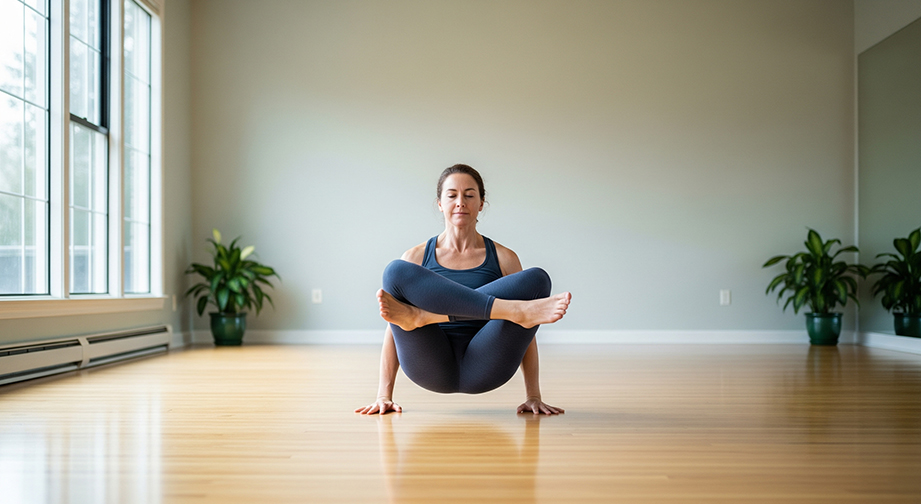
- Sit in a Comfortable Cross-Legged Position
- Traditionally, Padmasana (Lotus Pose) is used. Beginners can sit cross-legged (Sukhasana).
- Place Your Hands Beside Your Hips
- Fingers point forward, palms flat on the floor. If your arms are short, use yoga blocks under your palms for support.
- Engage & Lift
- Inhale deeply, press your palms down into the earth, engage your core muscles, and lift your legs and hips off the mat. Aim to keep your ankles crossed.
- Your weight is supported by your hands and arms. Gaze ahead softly, keeping your neck relaxed.
- Hold the Balance
- Breathe deeply: Hold for 10-20 seconds (or 3–5 slow breaths). Beginners can start by just lifting the hips or even just one foot, gradually building strength.
- Release Gently
- Exhale slowly and lower your body back to the mat. Uncross and recross your legs and repeat on the other side.
- Rounds: Try 2–3 rounds per session, alternating the leg cross.
- Modifications for Beginners: Sit on a block, use blocks under hands, or lift hips only.
- Intensifications for Advanced: Practice in full Padmasana, extend hold time, try floating with legs uncrossed (Lolasana).
Alignment & Safety Tips
- Alignment cues: Shoulders directly above wrists, chest open, neck long, core strong.
- Common mistakes: Shoulders hunching; avoid by drawing shoulder blades down and back.
- Don’t lock elbows—keep a micro-bend to protect joints.
- Engage the thighs and core, don’t rely solely on arm strength.
- Safety: Avoid Tulasana if you have wrist, shoulder, or low back injuries, or if you are pregnant. Practice with props or under guidance if unsure.
Benefits of Tulasana
Physical Benefits
- Builds upper body and core strength
- Improves balance and stability
- Tones the muscles of the arms, wrists, and abdomen
- Enhances hip flexibility (especially when performed in Padmasana)
- Improves posture and body awareness
Mental Benefits
- Calms the mind and deepens concentration
- Reduces stress by focusing on breath and balance
- Boosts self-confidence and inner steadiness
Energy / Chakra Connection
- Activates the Manipura Chakra (Solar Plexus)—center of willpower and personal strength
- Promotes energy flow through the arms and core
Contraindications
- If you have wrist, shoulder, or low back injuries, avoid this pose.
- Avoid during pregnancy or after recent abdominal surgeries.
- Any significant discomfort in knees or hips: try an alternative like Dandasana (Staff Pose) or Navasana (Boat Pose).
Beginner’s Tips & Variations
- Props: Place yoga blocks under your hands if you can’t lift off. Use a folded blanket under your seat for extra comfort.
- Gentle Version: Try just lifting your hips an inch or two, and keep feet on the floor if needed.
- Advanced Options: Practice with legs in full Padmasana, or try Lolasana (lifting with feet uncrossed), increasing your time in the pose gradually.
How to Include Tulasana in a Yoga Flow
- Best used as: Part of main practice or near the end for energy and focus.
- Pairs well with:
- Padmasana (Lotus Pose)
- Chaturanga Dandasana (Four-Limbed Staff Pose)
- Navasana (Boat Pose)
Mind-Body Connection
Practicing Tulasana asks you to balance body and breath, inviting full awareness to the present moment. As you lift yourself up, focus on steady inhales and exhales and observe the feeling of “lightness.” Energetically, this pose stokes your inner fire—the Manipura Chakra—boosting confidence, drive, and clarity.
Summary Box: All About Tulasana
- Asana Name: Tulasana (Balance Pose / Scales Pose)
- Sanskrit: ?????? (Tulasana)
- Level: Intermediate (with beginner adaptations)
- Focus Areas: Core, arms, shoulders, wrists, hips
- Duration: Hold 10-20 seconds per round, 2–3 rounds per practice
- Best Time to Practice: Morning or whenever you need an energy boost
FAQs: Tulasana (Scales Pose)
Is Tulasana suitable for beginners?
Yes, beginners can practice Tulasana by using blocks under the hands and lifting only the hips at first.
What if I can’t do Lotus Pose?
It’s absolutely fine! A simple cross-legged seat works well, especially when starting out.
Does Tulasana hurt wrists?
With proper alignment and props, your wrists should be protected. Always stop if you feel joint pain, and consult a teacher for guidance.
How often should I practice Tulasana?
2-3 times a week is a great way to safely build strength and balance.