Sukhasana (Easy Sitting Pose): Step-by-step Guide & Benefits
Introduction
Sukhasana is also known as the Easy Sitting Pose—one of the most approachable yoga asanas, great for beginners and seasoned practitioners alike. In Sanskrit, “Sukha” means “ease” or “comfort,” so Sukhasana translates as the Pose of Comfort. At its essence, this posture is calming and grounding: perfect for centering yourself anytime.
Have you ever noticed how stiff you feel after long periods at your desk or in the car? Sukhasana is your gentle antidote—offering a relaxing, supported seat that helps your mind and body reset.
Step-by-Step Guide
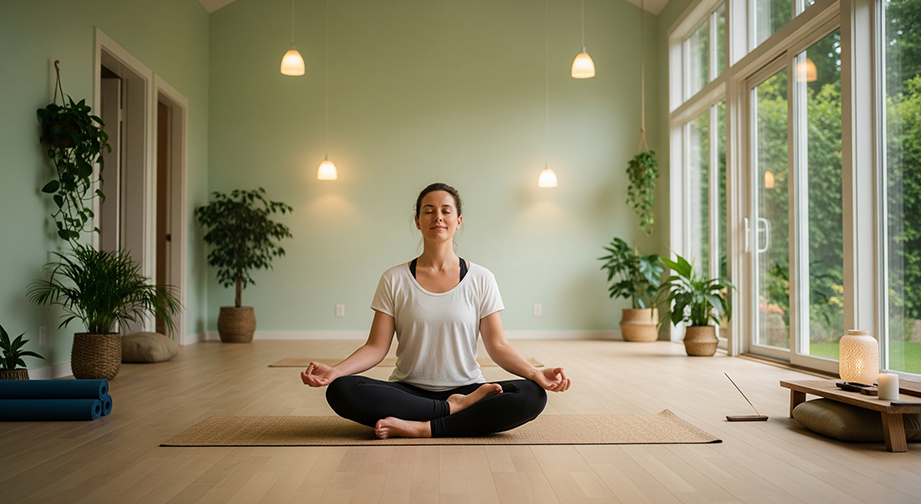
- Find Your Seat: Sit on the floor or a folded blanket. Extend your legs forward.
- Cross Your Legs: Gently cross your shins, letting knees fall out to the sides. Place each foot beneath the opposite knee (not under thighs).
- Settle and Lengthen: Ground your sitting bones evenly. Lengthen your spine, reaching the crown of the head upward.
- Hand Placement: Rest your hands on your knees (palms up for energy, down for calm).
- Relax the Shoulders: Soften your shoulders away from your ears.
- Gaze: Softly close your eyes or drop your gaze forward.
- Breathe:
- Inhale slowly through the nose, expanding your chest and belly.
- Exhale gently, feeling your body relax and ground through the hips.
- Hold: Stay for 1–5 minutes, breathing deeply. Repeat for 2–3 rounds, switching the crossing of your legs each time.
(Tip: Change the cross every time you sit in Sukhasana for balanced hips.)
Modifications & Intensifications
- Beginner: Sit on a yoga block, folded blanket, or bolster if hips feel tight or knees are elevated above the hips.
- Support Knees: Place cushions or blocks under each knee for gentle support.
- Advanced: Try crossing ankles further in front of your pelvis (Agnistambhasana variation), or hold for longer while practicing deep breathing or meditation.
Alignment & Safety Tips
- Spine: Keep your back straight and tall—not slumping or overarching.
- Knees & Hips: Knees should be lower than or in line with hips (never forced down).
- Feet: Both feet relaxed, outer edges resting gently on the mat or floor.
- Shoulders: Relax away from ears; imagine your collarbones widening.
Common Mistakes:
- Slouching or rounding the lower back—lift sitting bones and lengthen the spine.
- Forcing knees down—support with props instead.
- Gripping or tensing legs and feet—let them relax.
Safety Precautions:
- Avoid Sukhasana if you have acute knee or hip injuries or severe sciatica without consulting a professional.
- Pregnant yogis may benefit from more height under the hips.
- If pain arises, come out of the pose and choose a different comfortable seat.
Benefits of Sukhasana (Easy Sitting Pose)
Physical Benefits:
- Gently opens hips and stretches knees/ankles
- Improves posture and lengthens spine
- Encourages healthy alignment (great for beginners)
- Eases muscular tension in the lower back and legs
Mental Benefits:
- Promotes calmness and relaxation
- Reduces stress and anxiety
- Fosters focus and mental clarity
- Supports mindfulness and deeper meditative states
Energy / Chakra Connection:
- Activates the Muladhara (Root Chakra)—helps you feel grounded, safe, and stable
- Ideal for breathwork (pranayama) and meditation practice
Contraindications
- Avoid if you have recent or severe knee/hip/ankle injuries.
- If you feel pain or numbness, exit the pose promptly.
- Prenatal students: Use extra height and props, or ask your teacher for modifications.
Safe Alternatives: Try Vajrasana (Thunderbolt Pose, kneeling), sitting on a chair, or lying down in Savasana if seated postures are uncomfortable.
Beginner’s Tips & Variations
- Props: Use a folded blanket, bolster, or yoga block under your sitting bones to help rotate the pelvis forward.
- Gentle Variation: Keep one leg extended if crossing both is uncomfortable.
- Wall Support: Practice with your back against a wall for upright alignment.
- Advanced Option: Practice Sukhasana with longer meditation or combine with pranayama (breathwork) for greater depth.
How to Include in a Yoga Flow
- Best as: A warm-up, centering, or cool-down/meditative pose. Perfect for the start and end of any yoga practice.
- Pairs Well With:
- Cat-Cow Pose (Marjaryasana-Bitilasana) while seated
- Seated Twist (Ardha Matsyendrasana or gentle supine twist)
- Seated Forward Fold (Paschimottanasana—use after Sukhasana for deeper release)
Mind-Body Connection
As you settle into Sukhasana, notice your breath, the weight of your body, and the gentle stillness within. This pose isn’t just about physical alignment—it’s about finding ease in both your body and mind. Being present in Sukhasana can awaken a peaceful, grounded feeling, connecting you to the earth and your breath. Root chakra (Muladhara) energy is nourished here, encouraging balance and a sense of belonging.
Summary Box
- Asana Name: Sukhasana (Easy Sitting Pose / ??????)
- Level: Beginner
- Focus Areas: Hips, knees, spine, and mind
- Duration: 1–5 minutes per round
- Best Time to Practice: Morning or Evening (especially before/after meditation, breathwork, or as a calming break)
FAQs – Sukhasana (Easy Sitting Pose)
1. Is Sukhasana suitable for all levels?
Yes! It’s one of the most beginner-friendly yoga poses and can be enjoyed even by advanced yogis for meditation.
2. What if my knees are very high off the floor?
Use folded blankets, cushions, or blocks under the hips and knees for support and comfort.
3. Can Sukhasana cause knee or hip pain?
If done gently and with props, pain is uncommon. Never force your knees down; always listen to your body and adjust as needed!
Ready to begin your yoga journey? Give Sukhasana (Easy Sitting Pose) a try and let it become your go-to for centering and calmness, both on and off the mat. Namaste!