Shavasana (Corpse Pose): The Ultimate Guide to Yoga’s Most Calming Position
Introduction
Shavasana (pronounced sha-VAH-sa-nah), known in English as Corpse Pose, is one of the most essential and restorative yoga postures. The Sanskrit word “Shava” means “corpse” and “asana” means “pose,” signifying a state of deep rest and conscious relaxation. The essence of this pose is pure calmness and renewal—it’s all about letting go.
If you’ve ever felt stiff after a long day or wish you could truly unwind, Shavasana is your best friend. Many beginners (and seasoned yogis too) find it surprisingly transformative—sometimes, doing “nothing” is doing everything for your mind and body!
Step-by-Step Guide to Practicing Shavasana (Corpse Pose)
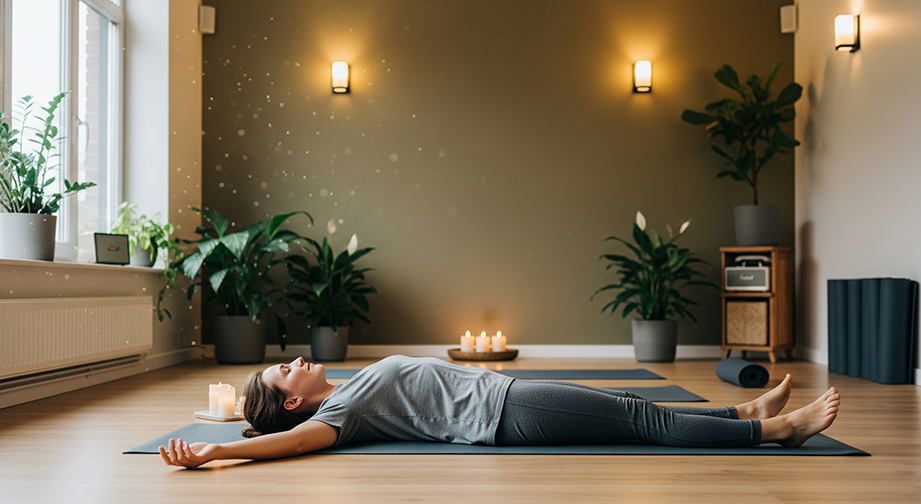
- Lie Down Comfortably:
Lie flat on your back on your yoga mat. Let your legs extend naturally, feet falling open, arms relaxed at your sides with palms facing up.
- Start With the Breath:
Gently close your eyes. Take a slow inhale through your nose, feeling your belly and chest rise. Exhale softly through your nose or mouth, relaxing all body tension. Repeat for a few rounds.
- Scan Your Body:
Beginning at your toes, bring gentle awareness to each body part, releasing tension with every natural exhale.
- Settle Into Stillness:
Let your breath find its own comfortable rhythm. Allow your whole body to be heavy and relaxed against the mat.
- Stay Present:
If your mind wanders, gently notice the thought and return your focus to your natural breath and bodily sensations.
- Returning to Awareness:
When ready (after 5–15 mins), begin to inhale deeply, gently moving your fingers and toes. Roll to your right side for a few breaths, then slowly sit up.
- Breathing: Inhale to fill the belly, exhale to soften and release. Let breath be natural and easy.
- Duration: Stay for 5–15 minutes (shorter for beginners; up to 20 minutes for deeper relaxation).
- Modifications for Beginners: Place a rolled blanket under knees for lower back comfort; a thin pillow under the head if needed.
- Advanced Variation: Practice a guided body scan or Yoga Nidra for mind-body awareness.
Alignment & Safety Tips
- Alignment: Keep the head, neck, and spine in a straight line; allow natural curve in the lower back. Let arms and legs relax equally.
- Common Mistakes: Holding the breath, tensing shoulders/jaw, keeping palms face-down, crossing legs or arms, mentally planning.
- How to Avoid: Remind yourself to “let go” everywhere, reset your posture if you notice tension, and keep palms open and receptive.
- Safety:
- If pregnant, lie on the left side with a bolster for back support.
- If you have back pain, use props under knees or head for support.
- Avoid the posture if you have severe back injuries or chronic discomfort lying on your back—try a side-lying savasana instead.
Benefits of Shavasana (Corpse Pose)
Physical Benefits
- Relieves muscle tension and fatigue
- Reduces blood pressure and heart rate
- Improves posture by resetting neutral spine alignment
- Promotes overall physical recovery after a yoga session or workout
Mental Benefits
- Reduces stress and anxiety
- Enhances mindfulness and present-moment awareness
- Promotes better sleep and relaxation
- Calms the nervous system, helping with emotional balance
Energy / Chakra Connection
- Balances Sahasrara (Crown Chakra) for spiritual openness
- Recharges energy channels (nadis), allowing prana (life force) to flow freely
Contraindications of Shavasana
- Severe back pain or recent back injury—opt for a supported or side-lying version
- Pregnancy—use props or lie on left side
- Vertigo or breathing issues—practice a seated meditation instead
- If dizzy or uncomfortable lying flat, practice sitting or semi-reclined relaxation
Always consult your healthcare provider if unsure whether this yoga position is safe for you.
Beginner’s Tips & Variations
- Props:
- Place a bolster or rolled blanket under knees to relieve lower back strain.
- Use an eye pillow or folded soft towel for extra comfort and sensory withdrawal.
- A folded blanket under the head if the neck feels strained.
- Gentle Variations: Side-lying Savasana (for pregnancy or injury); knees bent with feet on the mat for back comfort.
- Advanced Variations: Body scan meditation, Yoga Nidra, or subtle breath retention (holding breath gently after exhale for a few seconds).
How to Include Shavasana in a Yoga Flow
- Best as a cool-down or final relaxation to seal your yoga practice.
- Pairs well with forward bend (Paschimottanasana) or legs-up-the-wall pose (Viparita Karani) for deeper relaxation.
- Restorative after standing postures like Mountain Pose (Tadasana).
Mind-Body Connection
Shavasana is not just physical rest—it’s a powerful mindfulness practice. By observing your breath and body without judgment, you calm the “chatter” of the mind, nurturing spiritual and emotional well-being. This posture is deeply connected to the Crown Chakra (Sahasrara), inviting a sense of spiritual stillness and surrender.
Summary Box
- Asana Name: Shavasana (Corpse Pose)
- Level: Beginner
- Focus Areas: Whole body, relaxation, nervous system
- Duration: 5–15 minutes
- Best Time to Practice: After yoga session, evening, before sleep
Frequently Asked Questions
1. Why is Shavasana so hard for some people?
It’s common to find stillness challenging at first—your mind may wander, or your body may feel restless. With regular practice, it becomes easier to relax and embrace the calm.
2. Can I skip Shavasana if I’m in a rush?
Try to make time, even for just 2–3 minutes. Shavasana helps you absorb the benefits of your yoga practice. Skipping it is like closing a book mid-chapter!
3. Is it okay to fall asleep in Shavasana?
Yes, it’s natural, especially in the beginning. Over time, you’ll learn to rest in deep relaxation without drifting off.
4. Are there alternatives if I can’t lie on my back?
Try Reclined Bound Angle Pose, side-lying Savasana, or simple seated meditation for similar benefits.
Ready to experience deep relaxation? Make Shavasana a regular part of your yoga flow and feel the difference in mind, body, and spirit.