Muktasana (Liberated Pose): A Complete Guide for All Levels
Introduction
Muktasana, also known as the Liberated Pose or Sitting Pose, is a simple yet powerful yoga asana designed to help you feel calm, grounded, and open. The Sanskrit word “Mukta” means “liberated” or “free,” highlighting the asana’s essence of releasing physical and mental tension. If you’ve ever felt stiff after sitting too long at your desk, or struggled to find a comfortable seated posture for meditation, this pose is your new best friend. Whether you’re just starting yoga or looking to deepen your practice, Muktasana offers a supportive foundation for stillness and self-awareness.
Step-by-Step Guide to Muktasana
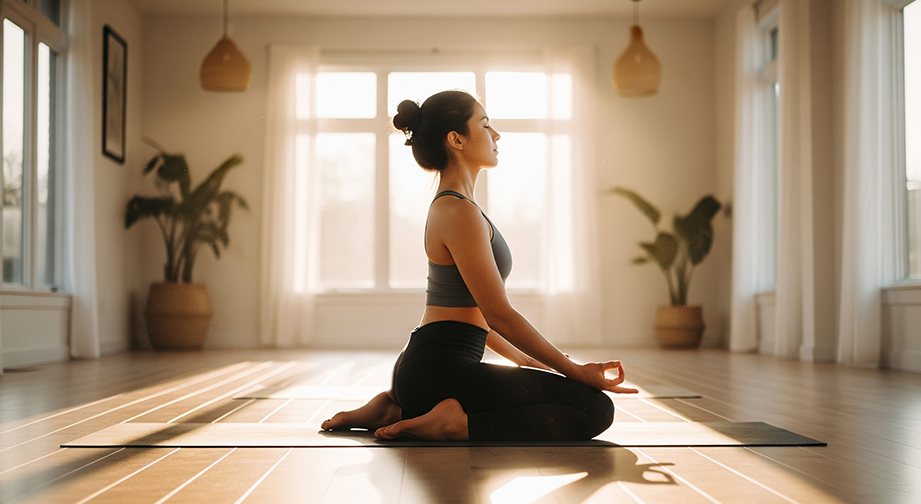
- Find your seat:
Sit down on your yoga mat or a folded blanket. Stretch your legs out in front of you.
- Bend your legs:
Gently bend both knees and cross your ankles, letting the knees fall comfortably to the sides. (It doesn’t matter which leg is in front—pick what feels natural.)
- Position your hands:
Rest the back of your hands on your knees or thighs, palms facing up or down.
- Lengthen your spine:
Sit tall, lifting through the crown of your head. Relax your shoulders away from your ears.
- Breathe:
- Inhale slowly through your nose, feeling your spine grow taller.
- Exhale gently, allowing your body to relax and settle.
- Continue deep, even breaths throughout the pose.
- Duration:
Hold Muktasana for 30 seconds up to 3 minutes, repeating for 1-3 rounds. Switch the cross of your legs halfway for balance.
Modifications & Intensifications
- For Beginners: If your hips are tight, sit on a folded blanket or cushion to elevate the hips above the knees. Support your knees with yoga blocks if they’re lifted off the mat.
- For Advanced Practitioners: Practice with eyes closed, focusing on lengthening each breath. For a deeper stretch, fold forward with a long spine.
Alignment & Safety Tips
- Key Alignment:
- Keep your spine straight and shoulders relaxed.
- Knees should rest comfortably (not forced down).
- Feet relaxed and comfortable.
- Common Mistakes:
- Hunching the back – focus on elongating your spine.
- Tension in shoulders – consciously relax them down.
- Sitting on hard ground – always use padding if you need comfort!
- Safety Precautions:
- Avoid if you have recent knee or hip injuries.
- Pregnant practitioners: opt for a wide-kneed, supported seat.
- Consult a healthcare provider if you have chronic pain or medical conditions.
Benefits of Muktasana
Physical Benefits
- Improves hip and ankle flexibility
- Enhances posture and spinal alignment
- Supports pelvic opening and relaxation
Mental Benefits
- Calms the mind and reduces anxiety
- Promotes inner stillness for meditation or breathwork
- Encourages mindfulness and stress release
Energy/Chakra Connection
- Grounds and balances Muladhara (Root Chakra)
- Stabilizes energy for deeper spiritual practice
Contraindications
- Those with knee, ankle, or hip injuries should avoid Muktasana or modify with extra support.
- If pregnant, keep knees wider or use extra props.
- Chronic pain? Try Sukhasana (Easy Pose) as an alternative.
Beginner’s Tips & Variations
- Props:
- Folded blanket or bolster for height & comfort
- Blocks under knees for extra leg support
- Practice against a wall for upright posture
- Gentle Variations:
- Keep feet further forward if hips are tight
- Switch up crossing of legs halfway
- Advanced Variations:
- Come into a gentle forward fold for hip opening
- Hold for extended meditative periods
How to Include Muktasana in Your Yoga Flow
- Works beautifully as warm-up or cool-down for seated practice
- Ideal for breathwork (pranayama) and meditation
- Pairs well with:
- Sukhasana (Easy Pose)
- Dandasana (Staff Pose)
- Paschimottanasana (Seated Forward Bend)
Mind-Body Connection
As you hold Muktasana, turn your awareness to your breath and the sensation of grounding through your seat. Let your thoughts drift by as you reconnect with the present moment. With its connection to the Root Chakra, this pose is often used to cultivate a sense of safety, stability, and belonging within yourself.
Summary Box: Muktasana (Liberated Pose)
- Asana Name: Muktasana (Liberated Pose) | ????????
- Level: Beginner
- Focus Areas: Hips, Spine, Meditation
- Duration: 30 seconds – 3 minutes per round
- Best Time to Practice: Morning or Evening; before meditation or breathwork
Frequently Asked Questions (FAQs) about Muktasana
- Is Muktasana suitable for meditation? Yes—Muktasana is one of the classic meditation seats, ideal for breathwork and mindfulness.
- Can beginners practice Muktasana? Absolutely! Use props and modifications for comfort.
- How does Muktasana help mentally? It encourages stillness, calm, and clarity by grounding both body and mind.
- Can I do Muktasana if I have tight hips? Yes! Elevate hips with a blanket and place blocks under your knees for support.
Whether you’re new to yoga or refining your seat for deeper meditation, Muktasana is a liberating posture that provides physical ease, mental peace, and energetic grounding. Try this pose today and feel the difference it brings to your practice—and your life!