Matsyasana (Fish Pose): Your Ultimate Guide to Fish Reclining Position in Yoga
Introduction
Matsyasana, also called Fish Pose or Fish Reclining Pose, is a gentle yoga asana that opens your chest, stretches your throat, and invites a peaceful calm to both body and mind.
The Sanskrit word Matsyasana translates to "Fish Posture" (matsya meaning “fish”, asana meaning “pose”). At its essence, Matsyasana is calming and heart-opening—it’s like a relaxing, revitalizing stretch to undo the tension of your day.
If you’ve ever felt stiff from a long day at your desk or want to lift your energy after hunching over your phone, Fish Pose might just become your new best friend!
Step-by-Step Guide to Matsyasana (Fish Pose)
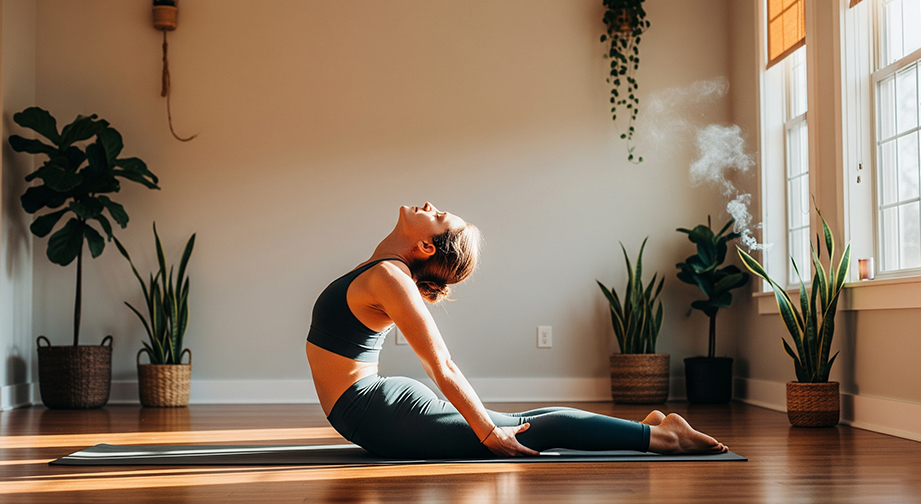
- Lie Down Comfortably:
Start by lying flat on your back, legs extended and arms resting at your sides. Take a few deep breaths here.
- Position Your Hands:
Slide your hands, palms down, under your hips or upper thighs for support. Keep your forearms and elbows tucked close to your sides.
- Prepare the Upper Body:
As you inhale, press your forearms and elbows into the ground, lifting your upper chest and ribcage.
- Arch and Rest:
Slightly arch your back and gently lower the crown of your head towards the floor, resting lightly (do not place full weight on your head). Your throat and chest should feel open.
- Hold and Breathe:
Gaze gently upward or keep your eyes closed. Breathe slowly and deeply: inhale into your chest, exhale and soften the neck and throat.
- To Release:
On an exhale, gently lower your torso and head back to the mat, sliding your hands out from under your hips.
- How long? Hold Matsyasana for 3–5 breaths as a beginner, and up to 30–60 seconds with experience. Repeat for 2–3 rounds if desired.
- Breathing Pattern: Inhale as you lift your chest and arch your back; exhale to relax into the posture and to come out.
- Modifications for Beginners: Place a folded blanket or a yoga bolster under your upper back and head for gentle support. Keep the legs bent, feet on the floor, for less intensity.
- For Advanced Practitioners: Try the full pose with legs straight and arms extended overhead or in Namaste above your chest. For extra challenge, lift the legs a few inches off the ground during the pose (“Padmasana in Matsyasana”).
Alignment & Safety Tips
- Alignment Cues:
- Keep your neck long; avoid compressing the back of your head.
- Press elbows and forearms into the mat to lift your chest.
- Keep weight mostly in the buttocks and arms, not the head.
- Common Mistakes:
- Dumping weight onto the neck or crown—always support with forearms.
- Forgetting to engage the legs or letting them splay out.
- Holding the breath—keep breathing slow and steady.
- Safety Precautions:
- Avoid if you have neck or back injuries, high/low blood pressure, or migraines.
- Pregnant individuals should skip this pose or use only supported, gentle variations.
- Come out immediately if you feel dizzy or any pain in the neck or lower back.
Benefits of Matsyasana (Fish Pose)
- Physical Benefits:
- Stretches the chest, neck, and hip flexors
- Improves posture by opening rounded shoulders
- Strengthens the upper back and back of the neck
- Increases flexibility in the spine and intercostal muscles
- Mental Benefits:
- Reduces stress and fatigue
- Promotes a sense of openness and emotional well-being
- Enhances deep breathing and mindfulness
- Energy & Chakra Connection:
- Stimulates the heart (Anahata) and throat (Vishuddha) chakras
- Fosters emotional balance and the ability to express yourself
Contraindications
- Do not attempt if you have serious neck or back injuries.
- Avoid during pregnancy unless using full prop support and with a teacher's supervision.
- People with high/low blood pressure or migraines should consult a doctor first.
- Safe alternatives: Supported Bridge Pose (Setu Bandhasana) or Reclining Bound Angle Pose (Supta Baddha Konasana) are gentler options.
Beginner’s Tips & Variations
- Props: Use a yoga block or bolster under the upper back for support. Rest the head on a folded blanket if the neck feels strained.
- Gentle Variation: Keep knees bent and feet flat for less intensity. Place palms under hips only slightly.
- Advanced Variation: Try Matsyasana in Lotus Pose (Padmasana) for a deeper stretch, or lift legs and float arms overhead for more challenge.
How to Include Matsyasana in a Yoga Flow
- Best Role: Matsyasana is wonderful as a cool-down or closing pose to restore balance after backbends or core work.
- Pairs well with:
- Shoulderstand (Sarvangasana), for a classic counterpose sequence
- Bridge Pose (Setu Bandhasana)
- Seated Forward Bend (Paschimottanasana) as a release
Mind-Body Connection
While in Matsyasana, notice how your breath naturally deepens as your chest expands. It’s an opportunity for mindfulness—tune into your body, your heartbeat, and release old tension. Energetically, Fish Pose is said to open the heart and throat chakras, supporting honest self-expression and calm emotional states.
Summary Box
- Asana Name: Fish Pose (Matsyasana)
- Level: Beginner
- Focus Areas: Chest, neck, upper back, hip flexors
- Duration: 3–5 breaths (work up to 30–60 seconds)
- Best Time to Practice: Morning or Evening
FAQs on Matsyasana (Fish Pose)
Q: Is Matsyasana safe for beginners?
A: Yes, with proper support (props, bent knees), beginners can safely enjoy the benefits of Fish Pose.
Q: I feel discomfort in my neck. What should I do?
A: Use a folded blanket under the head and upper back, reduce the back arch, and keep more weight in the arms.
Q: Can I do Matsyasana after eating?
A: It’s best to practice yoga asanas on a relatively empty stomach, especially heart and chest opening poses like Matsyasana.
Ready to experience Matsyasana? Whether you’re looking to open your heart, breathe easier, or simply relax, this gentle Fish Pose makes a beautiful addition to any yoga routine.