Lolasana (Pendant Pose): A Beginner-Friendly Guide to Core Strength and Balance
Introduction
Lolasana, also known as "Pendant Pose" or "Pendant Balancing," is a dynamic yoga asana that combines core strength, balance, and focus into one uplifting posture.
The Sanskrit word "Lola" means "dangling" or "swinging," reflecting the suspended, floating feeling you get in this pose. At its essence, Lolasana is about finding lightness and strength within yourself.
If you've ever wished to feel lighter or more confident in your body—or if you’re stiff from sitting at a desk all day—Lolasana is your invitation to energize your core and connect with your inner balance.
Step-by-Step Guide
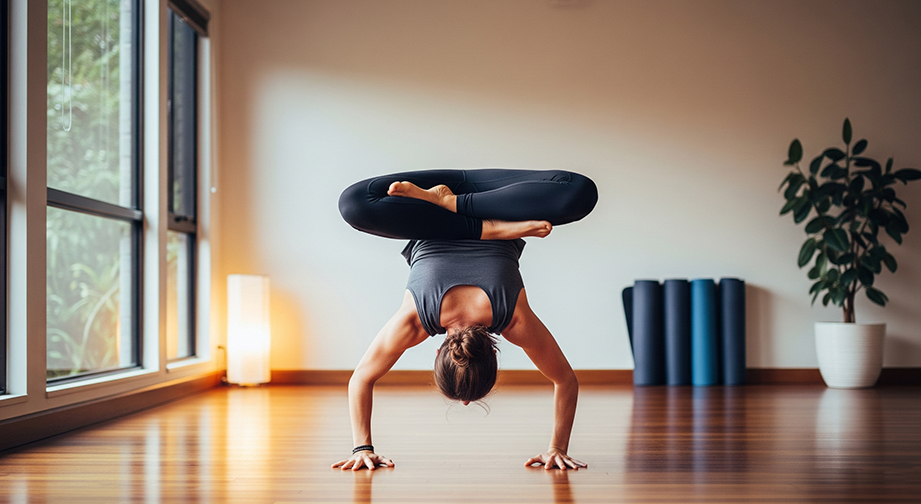
- Start in Tabletop Position:
Come to all fours, wrists under shoulders and knees under hips. Spread your fingers wide for support.
- Cross Your Ankles:
Shift your knees closer together, sit back on your feet, and cross your ankles.
- Plant Your Palms:
Place your palms firmly on the mat, slightly in front of your hips, fingers spread.
- Engage the Core and Lift:
On an exhale, press your hands down, draw your navel in, round your back, and—using your core strength—slowly lift your knees and feet off the ground.
- Hover and Hold:
Keep your feet crossed and knees drawn toward your chest. Inhale deeply, keeping your face relaxed. Hold for 3–8 breaths.
- Release Gently:
On an exhale, lower your knees and feet back down.
Repeat 2–3 rounds, gradually increasing your hold as your strength improves.
Modifications & Variations
- For Beginners: Keep toes on the mat or use yoga blocks under each hand for lift.
- For Advanced: Straighten your legs into Tolasana or try swinging your body gently side-to-side.
Alignment & Safety Tips
- Alignment Cues:
- Press down through the whole palm, not just the wrists.
- Round your spine by pulling belly in and shoulders away from ears.
- Keep neck relaxed and gaze slightly forward.
- Common Mistakes:
- Collapsing shoulders — keep them strong and hugging the body.
- Letting hips sag — scoop them up to use your core.
- Breath holding — keep steady, even breaths.
- Safety Precautions:
- Avoid if you have wrist, shoulder, or lower back injuries.
- Pregnant yogis should avoid this asana.
- Stop immediately if you feel sharp pain.
Benefits of Lolasana (Pendant Pose)
Physical Benefits
- Builds powerful core strength and tones the abdomen
- Strengthens your shoulders, wrists, and arms
- Improves posture by engaging the back and chest
- Increases flexibility in the hips and wrists
Mental Benefits
- Sharpens focus and concentration
- Promotes mindfulness and staying present
- Relieves stress by channeling energy into the pose
Energy / Chakra Connection
- Activates the Manipura Chakra (solar plexus), boosting confidence and willpower
- Balances prana flow through the core and arms
Contraindications
- Anyone with wrist, shoulder, or low back injuries should avoid Lolasana.
- Not suitable during pregnancy.
- If you have high blood pressure or recent abdominal surgery, skip this pose.
- Alternative Poses: Try Cat-Cow (Marjaryasana/Bitilasana) or Plank Pose for core engagement without strain.
Beginner’s Tips & Variations
- Props: Place yoga blocks under your hands to help with lift. Sit on a folded blanket for hip support.
- Gentle Variation: Keep one set of toes on the mat for balance. Just practice shifting weight into your hands.
- Advanced Variation: Work toward lifting higher, straightening the legs (Tolasana), or adding gentle swings.
How to Include Lolasana in a Yoga Flow
- Best as: A core-focused segment in your main practice or as a gentle energizer in the warm-up.
- Pairs well with:
- Navasana (Boat Pose) – further builds core strength.
- Bakasana (Crow Pose) – for progressing to advanced arm balances.
- Adho Mukha Svanasana (Downward Dog) – to stretch between rounds.
Mind-Body Connection
As you float in Lolasana, draw your awareness to your breath and the subtle strength arising from your center. Feel the lightness in your body and mind, symbolizing letting go of heaviness—from physical tension to emotional weight. Lolasana is an energizer for your Manipura Chakra, the seat of willpower and inner fire.
Summary Box
- Asana Name: Pendant Pose (Lolasana)
- Level: Intermediate (with beginner modifications)
- Focus Areas: Core, shoulders, wrists, upper back
- Duration: 3–8 breaths per round, 2–3 rounds
- Best Time to Practice: Morning or when you need an energy boost
FAQs: Lolasana (Pendant Pose)
Is Lolasana suitable for complete beginners?
Yes! Start with support (props or toes down), and gradually build strength and confidence.
I have weak wrists. Can I still do Lolasana?
Use blocks under your hands and avoid if you have pain. Wrist-strengthening stretches will help prepare you for this asana.
How can I progress from Lolasana to harder arm balances?
Regular Lolasana practice builds the foundation for poses like Bakasana (Crow) and Tolasana (Scale Pose).
How often should I practice Lolasana?
2–3 times per week is ideal for building core and arm strength, rest and listen to your body.
Remember, yoga is a journey—each attempt in Lolasana helps you grow stronger, lighter, and more mindful. Enjoy balancing in your own “pendant” of presence!