Kurmasana (Tortoise Pose): A Complete, Friendly Guide
Introduction
Kurmasana, also known as the Tortoise Pose, is a calming and grounding yoga asana from the Hatha Yoga tradition. In Sanskrit, Kurma means “tortoise,” and asana means “pose” or “posture.” Like a tortoise withdrawing into its shell, Kurmasana invites you to turn inward, find stillness, and stretch deeply into your back, hips, and hamstrings.
Essence: Deeply calming and introspective, Kurmasana soothes the mind while releasing body tension.
Beginner hook: If you often feel stiff after sitting for long hours—or just crave a peaceful pause—Kurmasana is your new best friend for lasting comfort and calm!
Step-by-Step Guide: How to Practice Kurmasana (Tortoise Pose)
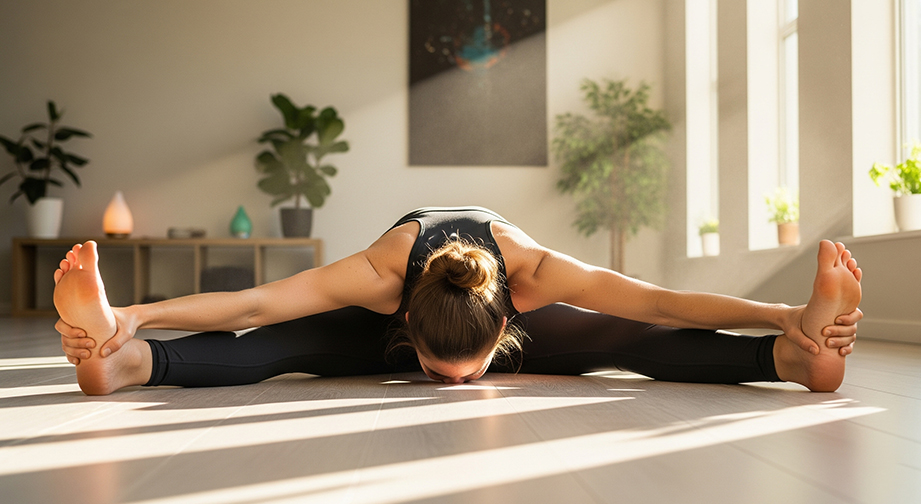
- Start Seated: Sit on your yoga mat with legs extended straight in front of you, feet hip-width apart.
- Inhale: Straighten your spine, engaging your core gently.
- Exhale: Open your legs a bit wider (if comfortable), and begin to hinge at your hips, slowly folding your torso forward.
- Slide Arms Under Legs: Bring your arms out to the sides, then slide them underneath your thighs, palms facing down or out. Try to keep your shoulders relaxed and collarbones broad.
- Deepen Into the Stretch: With each inhalation, lengthen your torso; with each exhalation, surrender your chest closer to the ground. Let your neck relax and gaze softly down.
- Hold the Pose: Breathe slowly and evenly. Stay in Kurmasana for 30 seconds to 1 minute, or up to 3-5 breaths/rounds as comfortable.
- To Release: Inhale, slide your arms gently out, and bring your torso up slowly.
Modifications for Beginners:
- Sit on a folded blanket or bolster for support and hip comfort.
- If forward folding is difficult, bend your knees slightly or use yoga blocks under your forearms.
For Advanced Practitioners:
- Bring feet closer together and straighten legs more fully.
- Try clasping hands behind your back or deepening with chest and chin to the floor.
Alignment & Safety Tips
- Alignment cues: Keep knees pointed up; lengthen spine before folding; relax jaw and shoulders.
- Common mistakes: Rounding the back excessively, forcing arms too far, or locking knees. Instead, prioritize the quality of the stretch over reaching the floor.
- Safety precautions: Avoid if you have a recent back, hip, or shoulder injury, or if pregnant. Those with sciatica or severe hamstring tightness should practice with support and extra care.
Benefits of Kurmasana (Tortoise Pose)
Physical Benefits:
- Increases hamstring and hip flexibility
- Releases tension in back and shoulders
- Improves posture and spinal alignment
- Gently stimulates abdominal organs
Mental Benefits:
- Offers profound relaxation and stress relief
- Encourages introspection and mindfulness
- Calms the nervous system
Energy / Chakra Connection:
- Balances the Muladhara (Root) and Svadhisthana (Sacral) chakras, fostering security, grounding, and creative flow
Contraindications
- Pregnant women, or those with recent hip, knee, or lower back injuries should avoid this pose.
- Avoid if you have sciatica, herniated discs, or severe mobility limitations.
- Safe alternatives: Practice Supta Baddha Konasana (Reclined Bound Angle Pose) or Supported Forward Fold using a bolster.
Beginner’s Tips & Variations
- Props: Place a folded blanket or bolster under hips; use yoga blocks under arms for support.
- Gentle variations: Keep knees bent or bring arms forward instead of under legs.
- Advanced: Deepen with chest and chin to the floor, or clasp hands behind back.
How to Include Kurmasana in a Yoga Flow
Kurmasana works best as a main practice or in the cool-down phase of a yoga session, when your body is warmed up and ready for deep stretching.
Pairs well with:
- Paschimottanasana (Seated Forward Fold) for gentle progression
- Baddha Konasana (Butterfly Pose) for opening hips
- Upavistha Konasana (Wide-Angle Seated Forward Bend)
Mind-Body Connection
As you nestle into Kurmasana, notice your breath, your thoughts, and the quiet unfolding of your body. This pose is a moving meditation—perfect for cultivating presence, patience, and a deep sense of inner peace. Tapping into your Root and Sacral chakras, the pose gently grounds and recharges your spirit.
Summary Box
Asana Name: Tortoise Pose (Kurmasana)
Level: Intermediate (modifications available for beginners)
Focus Areas: Hamstrings, hips, lower back, shoulders
Duration: 30 sec – 1 min (or 3–5 slow breaths/rounds)
Best Time to Practice: Morning or evening, after mild warm-up
FAQs: Kurmasana (Tortoise Pose)
1. Is Kurmasana safe for beginners?
Yes, with modifications! Use props, bend knees, and never force your body.
2. How often should I practice Kurmasana?
Practicing 2–3 times per week can improve flexibility and mind-body awareness.
3. What can I do if my arms don't fit under my legs?
Simply reach arms forward, or practice with props—the inward fold is most important.
Remember: The journey into Kurmasana isn’t about bending the deepest, but about finding inner softness, patience, and mindful presence, every step of the way.