Kukkutasana (Cockerel Pose): Your Guide to Mastering This Balancing Yoga Asana
Introduction
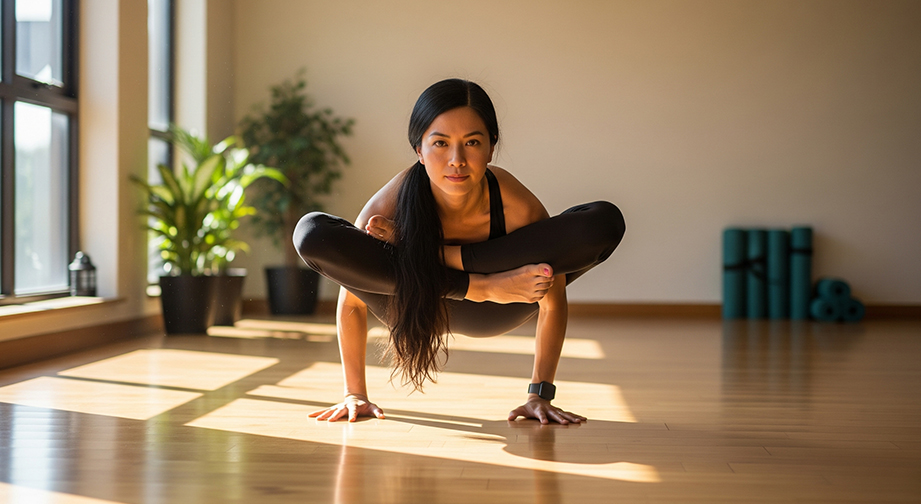
Kukkutasana, known as the Cockerel Pose in English, is an invigorating arm-balancing yoga asana that looks as impressive as it feels. In Sanskrit, "Kukkuta" means "rooster" or "cockerel" and "asana" means "pose." True to its name, this pose makes you feel poised, bright, and powerful—just like a proud rooster!
Essence: Kukkutasana is all about balance, core strength, and energizing your day.
If you’ve ever tried crow pose and wanted a fun twist, or if you’re looking for a challenge to build your arm and core strength—this asana is waiting for you!
Step-by-Step Guide: How to Do Kukkutasana (Cockerel Pose)
- Sit in Padmasana (Lotus Pose):
Cross your legs so each foot rests on the opposite thigh. If Lotus is too much, try Half-Lotus or a cross-legged seat.
Inhale deeply as you settle in.
- Thread Your Arms:
Slide your arms carefully through the gap between your calves and thighs until your hands reach the floor on either side of your hips.
Breathe gently and keep your shoulders relaxed.
- Press & Lift:
Plant your palms firmly on the mat, fingers spread wide for stability.
On the next inhale, press down, engage your core, and lift your entire body off the floor. Your weight should be supported by your hands, not your legs.
- Balance & Breathe:
Look forward, keep breathing evenly, and hold the pose for 5-10 breaths (15-30 seconds) per round. You can repeat for 2-3 rounds.
- Come Down Gently:
Exhale as you lower your body and release your arms from your legs.
Modifications & Variations
- For Beginners: If Lotus is tough, practice first with Half-Lotus or crossed legs. You can also sit on a folded blanket for hip support.
- To Intensify: Try holding longer, or slowly straightening your arms and lengthening your neck for a proud rooster lift!
Alignment & Safety Tips
- Key Tips: Keep your fingers wide, wrists stacked directly under your shoulders, and shoulders away from ears. Lift with your core, not just your arms.
- Common Mistakes: Arching the back, dumping weight into wrists, or rounding shoulders forward. Focus on staying lifted and engaged.
- Safety: Avoid Kukkutasana if you have wrist, knee, or ankle injuries, or during pregnancy. Always warm up wrists, hips, and shoulders beforehand.
Benefits of Kukkutasana
Physical Benefits
- Strengthens wrists, arms, shoulders, and core muscles
- Improves hip and ankle flexibility
- Enhances overall body balance and coordination
- Tones abdominal region
Mental Benefits
- Builds focus and concentration
- Boosts self-confidence and determination
- Promotes mental clarity and presence
Energy/Chakra Connection
- Activates the Muladhara (Root Chakra) and Manipura (Solar Plexus Chakra)
- Invites grounding energy alongside active, fiery willpower
Contraindications
- Recent or chronic injuries of the knees, ankles, hips, or wrists
- Pregnancy or recent abdominal surgery
- Severe arthritis or mobility limitations
Try alternatives like Dandasana (Staff Pose) or Bakasana (Crow Pose) if you have trouble with full lotus or arm balance.
Beginner’s Tips & Variations
- Props: Practice lifting onto yoga blocks under your hands for extra height. Use a wall behind you for balance confidence.
- Gentle Variation: Practice the arm threading and palm press without lifting, simply focusing on alignment.
- Advanced Variation: Try Astavakrasana or Tittibhasana for more arm balance challenges as you progress.
How to Include Kukkutasana in a Yoga Flow
- Best as a main practice or during challenging sequences
- Pairs well with Padmasana (for warm-up), Bakasana (for progression), or Navasana (seated boat pose for core activation)
Mind-Body Connection
Practice Kukkutasana with focused attention on your breath and body alignment. Let this balancing pose remind you to approach challenges with steady courage—just like the rooster at dawn!
Spiritually, Kukkutasana can help awaken dormant energy, supporting clarity and grounding as you become more present on and off the mat.
Summary Box
Asana Name: Kukkutasana (Cockerel Pose)
Level: Advanced
Focus Areas: Core, Arms, Wrists, Hips
Duration: Hold for 15–30 seconds, repeat 2–3 rounds
Best Time to Practice: Morning or any time you need an energy boost
Frequently Asked Questions
- Is Kukkutasana safe for beginners?
If you’re new to yoga or have limited flexibility, begin with modified versions and consult with a certified yoga teacher.
- Can I do Kukkutasana if I can’t do Lotus Pose?
Work on hip flexibility first; try Half-Lotus or simple cross-legged positions before progressing.
- What should I do if my wrists hurt?
Strengthen wrists gradually, use a folded towel under your palms, and avoid arm balances until you build enough support.
**Copy and use as your HTML yoga article.** If you need any modifications or images, let me know!