Janusirsasana (Head-to-Knee Forward Bend): A Step-by-Step Beginner’s Guide
Introduction
Janusirsasana (JAH-nu shir-SHAHS-uh-nuh), also known as the Head-to-Knee Pose, is a gentle seated forward bend perfect for stretching out after a long day. The Sanskrit words "Janu" (knee), "Sirsa" (head), and "Asana" (pose) come together to describe this calming, introspective yoga position.
Essence: Calming, restorative, and deeply grounding.
If you’ve ever felt stiff after sitting too long—or if touching your toes feels like a dream—Janusirsasana can become your new best friend.
Step-by-Step Guide to Janusirsasana
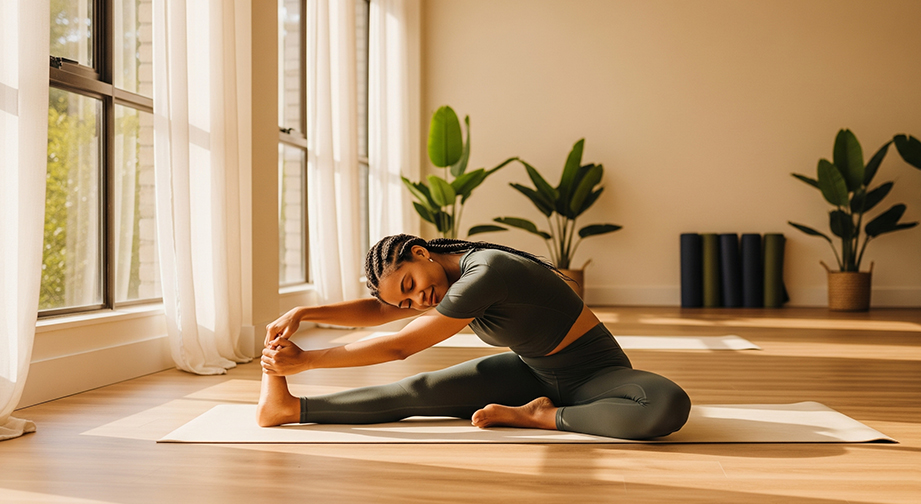
- Begin in Dandasana (Staff Pose): Sit tall on your mat with legs extended straight in front. Flex your feet and engage your thighs.
- Bend Your Right Knee: Bring the sole of your right foot to your left inner thigh. Let your right knee relax out to the side.
- Align Your Body: Turn your torso very slightly so your navel faces your extended left leg.
- Inhale: Raise your arms overhead, lengthening your spine.
- Exhale and Fold Forward: Hinge at your hips as you slowly fold forward, reaching your hands toward your left foot, shin, or knee. Keep your spine long (avoid rounding).
- Hold the Pose: Stay for 30 seconds to 1 minute. Breathe deeply—inhale to create space, exhale to gently release deeper.
- Release: Inhale and lift your torso back up. Switch sides and repeat.
- Breathing: Inhale to lengthen, exhale to fold deeper.
- Rounds: 1–3 rounds per side.
- Beginner Modifications: Sit on a folded blanket or yoga block; use a strap around your foot if hands don’t reach.
- Advanced Variations: Fold deeper, hold big toe with fingers (yogi grip), or intensify by rotating the heart closer to the leg.
Alignment & Safety Tips
- Focus: Keep your extended leg active (knee and foot facing the ceiling).
- Avoid rounding your spine—lead with your chest, not your head.
- Keep both sit bones grounded for stability.
- Common Mistake: Pulling or forcing yourself with your hands. Instead, prioritize length over depth.
- Avoid if: Pregnant (especially late stages), recent hamstring, knee, or lower back injuries.
- If you feel sharp pain (not just stretching), ease out immediately.
Benefits of Janusirsasana
Physical Benefits
- Improves hamstring and hip flexibility
- Relieves lower back tension
- Stretches the groin and shoulders
- Stimulates digestion and abdominal organs
Mental Benefits
- Reduces stress and anxiety
- Increases mindfulness and inner calm
- Encourages introspection
Energy/Chakra Connection
- Activates the Muladhara (Root) and Svadhisthana (Sacral) chakras
- Grounds your energy and supports emotional balance
Contraindications
- Who Should Avoid: People with severe back, hip, or knee injuries.
- Pregnant women (especially 2nd/3rd trimester) should avoid deep forward folds—try a gentle seated wide-leg pose instead.
- If medical conditions affect your spine, consult your doctor or teacher first.
Beginner’s Tips & Variations
- Props: Sit on a cushion or folded blanket for lift; use a strap around your foot for support; place a block under the bent knee.
- For tight hamstrings: Keep the knee of the straight leg slightly bent.
- Gentle variation: Only fold forward as far as feels comfortable—rest hands on shin or knee.
- Advanced: Deepen the forward bend or explore Parivrtta Janusirsasana (revolved variation).
How to Include Janusirsasana in a Yoga Flow
- Best as: A main stretching posture or cool-down after more active poses.
- Pairs well with: Paschimottanasana (Seated Forward Fold), Upavistha Konasana (Wide-Legged Seated Forward Bend), Marichyasana (Seated Twist).
Mind-Body Connection
As you ease into Janusirsasana, draw your awareness inward, noticing each breath and the subtle changes in your body. This pose invites patience and self-compassion, making it an ideal posture for mindfulness or meditative practice.
- Spiritual/Chakra Note: Root and Sacral chakra activation supports feelings of stability and creativity.
Summary Box
- Asana Name: Janusirsasana (Head-to-Knee Forward Bend)
- Level: Beginner
- Focus Areas: Hamstrings, hips, lower back
- Duration: 30–60 seconds per side
- Best Time to Practice: Morning or evening, on an empty stomach
FAQs
Q: Can beginners practice Janusirsasana safely?
Yes! With props and gentle modifications, Janusirsasana is beginner-friendly. Start slow and honor your body’s limits.
Q: What if I can’t reach my foot?
Use a yoga strap around your foot, or simply rest your hands on your shin or thigh. The goal is length and ease, not touching your toes.
Q: How often should I practice this pose?
2–3 times per week, or daily as part of your flexibility or relaxation routine.