Balasana (Child's Pose): Your Guide to Deep Relaxation
Introduction
Balasana — known in English as Child's Pose — is a gentle, resting yoga asana that soothes both body and mind. In Sanskrit, Bala means "child" and asana means "pose." Just like a child curled up for comfort, this position offers deep release and calm.
Essence: Restorative, calming, and grounding.
If you’ve ever felt stiff, tired, or overwhelmed after a long day (or long hours at your desk), Balasana is truly your best friend.
Step-by-Step Guide
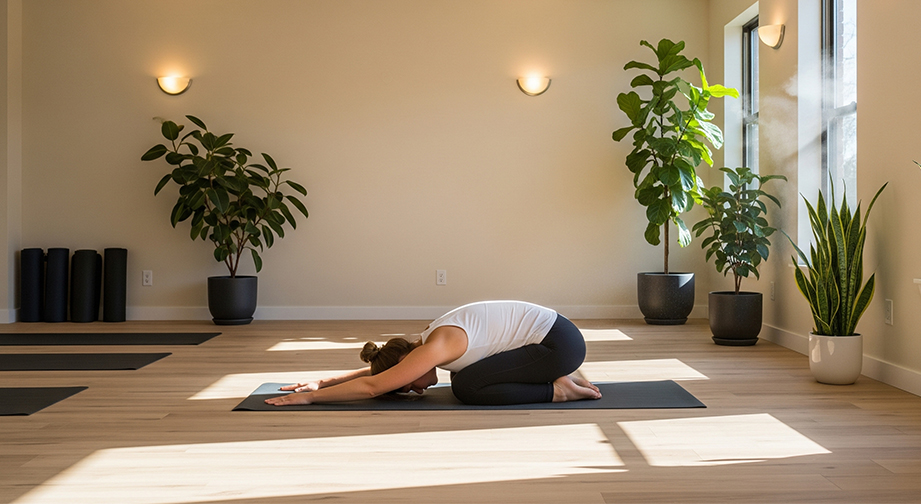
- Begin on your knees (tabletop position). Touch your big toes together and sit back on your heels.
Inhale gently.
- Knees can stay together or open wide (about hip-width apart) for more space.
Make it your own!
- On an exhale, slowly fold your torso forward between (or over) your thighs.
Let your forehead rest softly on the mat.
- Stretch your arms out in front with palms down—or keep them alongside your body, palms facing up, for extra relaxation.
- Breathe deeply — feel your belly rise and fall against your thighs. Relax your shoulders, jaw, and eyes.
Inhale through the nose, exhale slowly out.
- Stay here for 5–10 breaths (or 1–3 minutes). Repeat 2–3 rounds as needed for rest.
Modifications for beginners:
- Place a bolster or folded blanket between your calves and thighs for extra support.
- Support your forehead with a block or cushion if it doesn’t easily touch the mat.
Intensifications for advanced yogis:
- Keep knees together for a deeper hip and back stretch.
- Try reaching arms further forward for an active stretch through shoulders and sides.
Alignment & Safety Tips
- Relax and ground your sit bones onto your heels.
- Let the forehead touch the floor or support — it signals the body to relax.
- Arms and shoulders: Let them relax; avoid tensing up the neck or hunching your back.
- Knees and ankles: If there's discomfort, use extra padding or separate knees wide.
Common Mistakes:
- Holding your breath — keep it smooth and natural.
- Pushing the hips off the heels. If they don't reach, support them with a block or blanket.
- Forcing the forehead to the ground. Use props for comfort and safety.
Safety Precautions:
- Avoid if you have severe knee injuries or are late in pregnancy.
- Consult your healthcare provider before practicing if you have hip, back, or ankle issues.
Benefits of Balasana (Child's Pose)
Physical Benefits
- Gently stretches hips, thighs, and ankles
- Relieves tension and fatigue in the back and shoulders
- Improves spinal alignment and posture awareness
- Encourages natural breathing and digestive relief
Mental Benefits
- Deeply calming and centering — triggers the body's relaxation response
- Reduces stress, anxiety, and overwhelm
- Promotes mindfulness and present-moment awareness
Energy & Chakra Connection
- Activates the Root Chakra (Muladhara) - promoting grounding and security
- Soothes agitated energy and supports emotional release
Contraindications
- Serious knee or ankle injuries (modify or avoid)
- Recent abdominal surgery
- Late pregnancy (consider wide-legged variation or alternative poses)
- Severe lower back pain — use caution, bolster, or alternative
Alternatives:
- Supported reclining pose (with bolster under knees and back)
- Sukhasana (Easy Pose) with forward fold
Beginner's Tips & Variations
Props:
- Bolster/blanket: Place under chest, forehead, or knees for softness.
- Block: Use under forehead if needed.
Gentle variations for new practitioners:
- Keep knees wide for more space and easier breathing.
- Rest arms by your sides for complete relaxation.
Advanced variations:
- Interlace hands behind back and lift arms for a gentle chest opener.
- Thread the Needle (slide one arm under the other and rest on shoulder).
How to Include Balasana (Child's Pose) in a Yoga Flow
- Best as a warm-up to center yourself or as a cool-down for deep relaxation.
- Perfect to rest between challenging poses or vinyasas.
- Pairs well with:
- Bhujangasana (Cobra Pose)
- Adho Mukha Svanasana (Downward Dog)
- Paschimottanasana (Seated Forward Fold)
Mind-Body Connection
While in Balasana, bring your awareness to the breath, the ground beneath you, and the gentle contact of body with mat. It's a moment to listen to your body, release tension, and return to your center.
Spiritual/Chakra Significance: Connects to the Root Chakra, bringing a sense of safety, rootedness, and gentle surrender.
Summary Box
- Asana Name: Balasana (Child's Pose) | ??????
- Level: Beginner
- Focus Areas: Hips, Back, Shoulders, Nervous System
- Duration: 1–3 minutes per round
- Best Time to Practice: Morning or Evening
FAQs for Balasana (Child's Pose)
- Can I practice Balasana if my knees hurt?
Use extra support under knees (blanket/bolster), or skip if pain persists. Always listen to your body.
- What if my hips don’t reach my heels?
That's normal! Place a prop under your sit bones and gradually work toward flexibility.
- Is Child’s Pose safe during pregnancy?
Early on, yes—use a wide-knee option or bolster. In later pregnancy, consider alternatives and always check with your care provider.