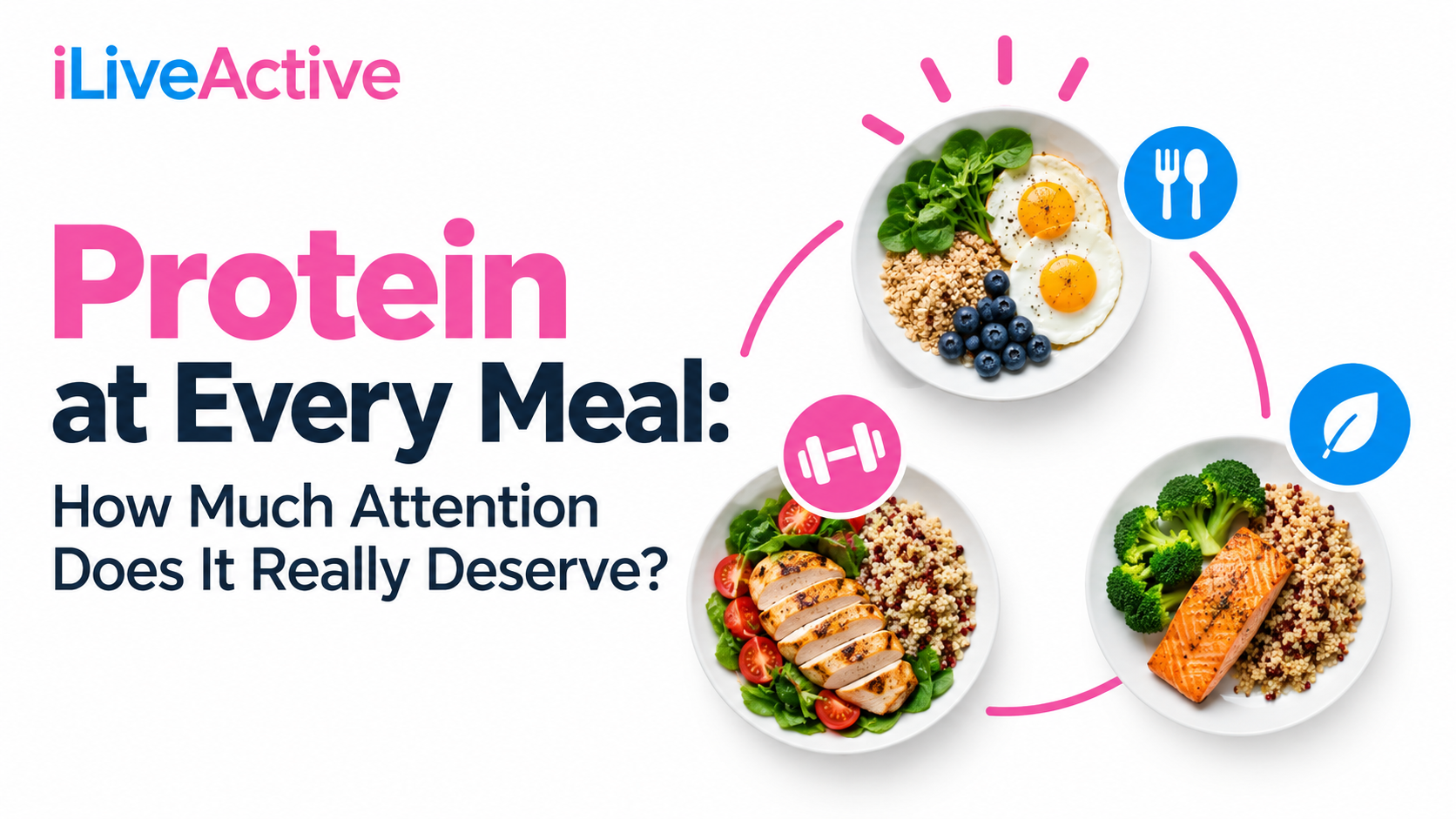
Protein gets a lot of attention in conversations about nutrition, fitness, healthy aging, and weight management.
That attention is not entirely misplaced. Protein plays important roles throughout the body, including helping maintain muscle, supporting tissue repair, and contributing to enzymes, hormones, and other essential functions.
But does every meal need to be built around protein? And how much should most people really think about it?
The answer is more balanced than many nutrition trends suggest.
Why Protein Matters
Protein is made from amino acids, which the body uses as building blocks.
Muscle is one obvious example, but protein is involved in much more than strength. Your body uses amino acids in the maintenance and repair of many tissues and in the production of compounds needed for normal body functions.
Unlike some nutrients that can be stored in large reserves, the body continually breaks down and rebuilds proteins.
That is one reason regular dietary protein matters.
It does not mean that every meal has to contain an extreme amount. It simply means protein is worth including as part of an overall balanced eating pattern.
Do You Need Protein at Every Meal?
Not necessarily in a rigid sense.
What matters most is generally how much protein you consume across the day, along with your overall diet, health status, activity level, age, and individual needs.
Still, spreading protein across meals may be a practical approach.
Instead of eating very little protein at breakfast and lunch and then consuming most of it at dinner, including some at each meal can make intake more consistent.
For many people, that might mean eggs or yogurt at breakfast, beans or chicken at lunch, and fish, tofu, lentils, or another protein source at dinner.
The goal is not perfection. It is simply avoiding a pattern in which protein is regularly missing from most meals.
How Much Protein Is Enough?
There is no single ideal number for everyone.
Protein needs can vary based on body size, age, physical activity, pregnancy, health conditions, and personal goals.
A commonly referenced baseline for generally healthy adults is about 0.8 grams of protein per kilogram of body weight per day. Some people may benefit from more, particularly those who are physically active or trying to preserve muscle as they get older.
That baseline should not automatically be treated as a personal target.
Someone who exercises regularly may have different needs from someone who is sedentary. An older adult may have different priorities from a younger adult. Certain medical conditions can also affect how much protein is appropriate.
Rather than focusing only on a precise number, many people may find it more useful to ask a simpler question: Does each day include several meaningful sources of protein?
Protein May Matter More as We Age
Maintaining muscle becomes increasingly important with age.
Muscle mass and strength can decline over time, especially when physical activity is low. Adequate protein, combined with resistance exercise and regular movement, may help support muscle maintenance.
This is one reason nutrition discussions around healthy aging often place more emphasis on protein.
But protein alone is not a complete strategy.
Strength training, sufficient overall calories, sleep, recovery, and a varied diet also matter.
Adding more protein without paying attention to the rest of your lifestyle is unlikely to produce the same benefits as combining good nutrition with regular physical activity.
What Are Good Protein Sources?
Protein does not have to come only from meat.
Common animal-based sources include:
- Eggs
- Fish
- Poultry
- Lean meats
- Milk
- Yogurt
- Cottage cheese
Plant-based options include:
- Beans
- Lentils
- Chickpeas
- Tofu
- Tempeh
- Soy foods
- Nuts
- Seeds
- Whole grains with meaningful protein content
A varied approach can make it easier to get protein alongside other nutrients such as fiber, healthy fats, vitamins, and minerals.
For example, lentils provide protein along with fiber. Yogurt may provide protein and calcium. Fish may provide protein along with certain beneficial fats.
The quality of the entire meal matters more than simply chasing the highest protein number.
More Protein Is Not Always Better
Protein is important, but that does not mean unlimited amounts are automatically healthier.
A diet can become unbalanced if protein crowds out vegetables, fruits, whole grains, legumes, and other foods that contribute important nutrients.
High-protein packaged foods can also create confusion. A product labeled “high protein” is not necessarily more nutritious overall.
It may still contain large amounts of added sugar, sodium, or highly refined ingredients.
Looking at the whole food is more useful than focusing on a single nutrient claim.
Protein should support a balanced diet, not replace one.
What About Protein Powders?
Protein powders can be convenient, especially for people who struggle to meet their needs through meals or need something quick after exercise.
But they are not necessary for everyone.
Most people can obtain meaningful protein from regular foods.
If you use protein supplements, it is worth checking the ingredient list, serving size, and whether the product fits your actual needs rather than assuming more is automatically better.
Supplements should generally complement food, not become the foundation of the diet.
A Simple Way to Think About Each Meal
You do not need to calculate grams every time you eat.
A simpler approach is to look at your plate and ask:
Does this meal contain a useful source of protein?
If breakfast is only toast, perhaps add eggs, yogurt, or nut butter.
If lunch is mostly vegetables, consider beans, lentils, tofu, fish, chicken, or another protein source.
If dinner already contains protein, there may be no reason to force additional protein simply to hit an arbitrary target.
Consistency is more useful than obsession.
The Bottom Line
Protein deserves attention, but it does not need to dominate every meal or every nutrition decision.
For most people, the practical goal is to include quality protein sources regularly, spread them reasonably throughout the day, and combine them with vegetables, fruits, whole grains, healthy fats, and regular physical activity.
Your ideal intake may depend on your age, activity level, health, and personal goals, so individual needs can differ.
Want more practical guidance on nutrition, fitness, healthy aging, and everyday wellness? Read more on iLiveActive or download the iLiveActive app for simple, grounded health information you can use every day.