Parkinson’s disease is one of the most prevalent neurodegenerative disorders worldwide and affects millions of people, families, and caregivers. While Parkinson’s is often associated with visible motor symptoms such as tremors and stiffness, the disease is far more complex. It impacts cognition, mood, sleep, digestion, and overall quality of life. In recent years, researchers have begun to recognize Parkinson’s as a whole-body condition involving the gut-brain axis, immune system, and metabolic health.
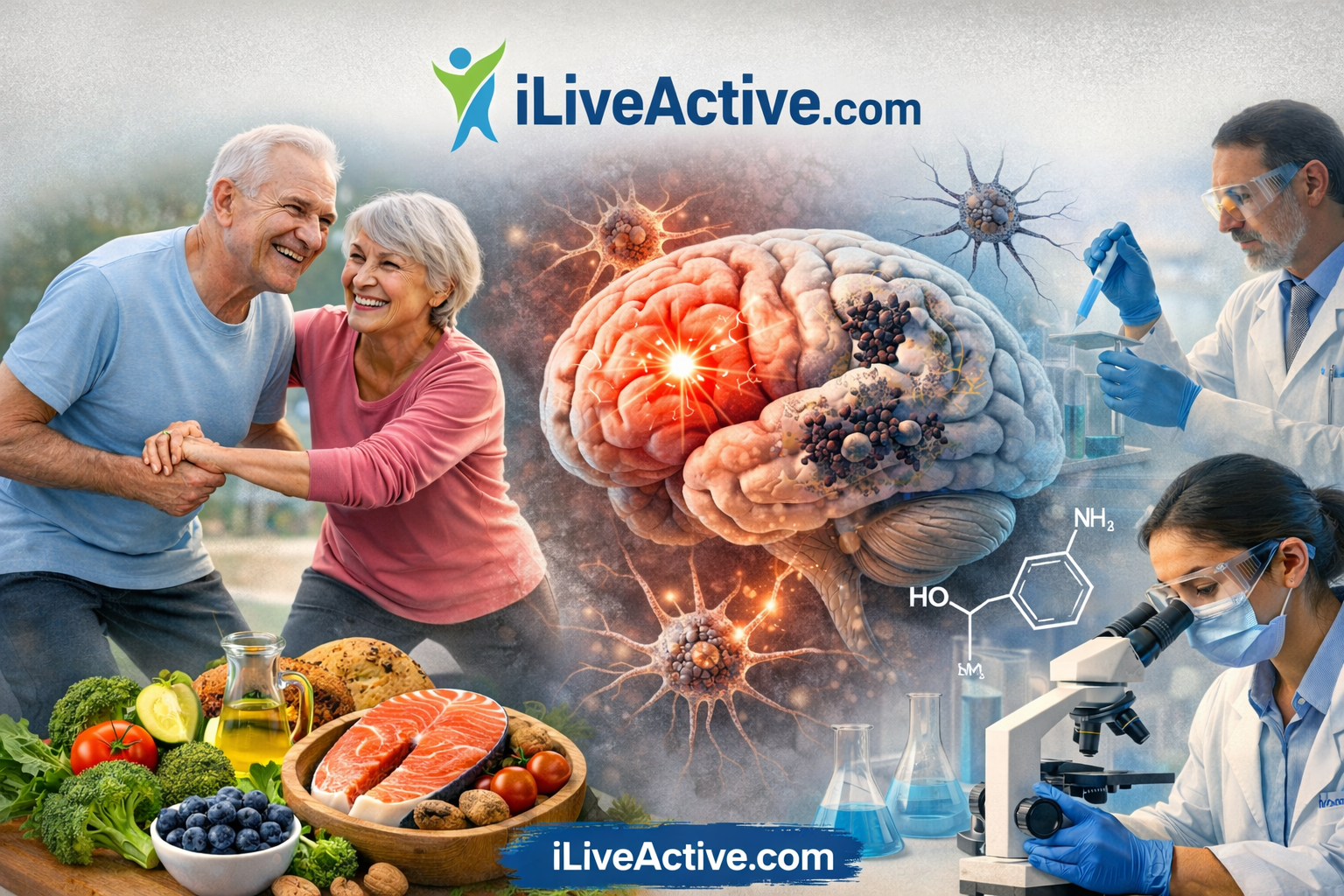
Although there is currently no cure, scientific evidence increasingly supports the idea that Parkinson’s progression is influenced by lifestyle factors. Structured exercise, targeted nutrition, sleep optimization, stress regulation, and early therapeutic intervention can meaningfully improve function and potentially slow disease progression. This long-form guide brings together medical knowledge, lifestyle science, and emerging research to help individuals and families navigate Parkinson’s with clarity and confidence.
What Is Parkinson’s Disease?
Parkinson’s disease is a progressive disorder of the central nervous system characterized by the degeneration of dopamine-producing neurons in the substantia nigra, a region of the midbrain involved in motor control. Dopamine serves as a chemical messenger that enables smooth, coordinated movement. As dopamine levels decline, the brain’s ability to regulate movement becomes impaired, resulting in tremors, rigidity, slowed movement, and postural instability.
Beyond movement, Parkinson’s also disrupts non-motor systems. Neurotransmitter changes affect sleep-wake cycles, emotional regulation, autonomic function (such as blood pressure and digestion), and cognitive processing. This explains why many individuals experience symptoms like constipation, fatigue, anxiety, depression, and sleep disturbances long before classic motor symptoms appear.
Underlying Causes and Disease Mechanisms
The precise cause of Parkinson’s disease remains unknown, but researchers have identified several biological mechanisms involved in neuronal degeneration. These include mitochondrial dysfunction (impaired cellular energy production), oxidative stress (damage from free radicals), chronic neuroinflammation, and abnormal protein aggregation.
One of the hallmark pathological features of Parkinson’s is the accumulation of alpha-synuclein protein into clumps known as Lewy bodies. These aggregates interfere with cellular processes and are thought to contribute to neuron death. Genetic mutations in pathways that regulate protein clearance, mitochondrial health, and cellular stress responses can increase susceptibility to these processes.
Symptoms: Motor and Non-Motor Features
Parkinson’s symptoms vary widely between individuals and evolve over time. Motor symptoms typically include resting tremor, muscle rigidity, slowed movement, and postural instability. Non-motor symptoms can include depression, anxiety, cognitive changes, sleep disorders, constipation, urinary dysfunction, and fatigue.
Importantly, non-motor symptoms often precede motor symptoms by years. Early intervention targeting sleep, gut health, and mental health may provide long-term benefits.
Diagnosis and Early Detection
Parkinson’s disease is diagnosed clinically by a neurologist based on medical history, symptom presentation, and neurological examination. Advanced imaging techniques and emerging biomarker research aim to identify Parkinson’s earlier, even before noticeable motor symptoms develop. Early diagnosis opens the door to earlier lifestyle intervention and participation in clinical trials.
Can Parkinson’s Progression Be Slowed?
While Parkinson’s remains incurable, mounting evidence suggests that disease progression is modifiable. Individuals who maintain high levels of physical activity, follow anti-inflammatory dietary patterns, and engage in cognitive and social activities often experience slower functional decline and improved quality of life.
Exercise as Neuroprotection
Exercise promotes the release of neurotrophic factors that support neuron survival and synaptic plasticity. Aerobic activity improves blood flow to the brain, while resistance training preserves muscle mass and mobility. Balance training reduces fall risk and promotes independence.
Nutrition and the Gut-Brain Axis
Parkinson’s is increasingly understood as involving gut-brain communication. The gut microbiome influences inflammation, immune signaling, and neurotransmitter production. Diets rich in fiber, antioxidants, and healthy fats support microbiome diversity and reduce systemic inflammation.
Learn more about anti-inflammatory foods for brain health, the Mediterranean diet, and the gut-brain axis.
Sleep, Stress, and Emotional Well-Being
Chronic stress and poor sleep amplify neurodegeneration. Regulating circadian rhythms and activating the parasympathetic nervous system through breathwork, meditation, and consistent routines can reduce symptom burden.
Breakthrough Research, Startups, and Companies Advancing Parkinson’s Care
Parkinson’s research spans pharmaceutical innovation, biotechnology startups, nonprofit research foundations, and digital health platforms. These efforts target disease modification rather than symptom control alone.
Cell and Gene Therapies
Several biotech companies are developing stem cell-derived dopamine neuron replacement therapies aimed at restoring lost neuronal function. These approaches represent a potential shift from symptomatic treatment toward restorative medicine. Gene therapy approaches target enzymes involved in dopamine synthesis and pathways related to alpha-synuclein clearance.
Biotech Startups and Innovative Companies
- BlueRock Therapeutics (Bayer subsidiary): Developing cell therapies to replace dopamine neurons.
- Prevail Therapeutics (acquired by Eli Lilly): Gene therapies targeting genetic forms of Parkinson’s.
- Denali Therapeutics: Creating drugs designed to cross the blood-brain barrier and target neurodegeneration.
- Inhibikase Therapeutics: Developing kinase inhibitors aimed at disease-modifying pathways.
- Cerevel Therapeutics: Working on dopamine receptor-targeted compounds to improve motor symptoms.
Digital Health and AI
Startups leveraging wearable sensors, smartphone data, and AI analytics are building tools to monitor symptoms remotely, personalize treatment plans, and detect disease progression earlier. These technologies enable more precise, data-driven care outside traditional clinical settings.
Nonprofit and Research Foundations
Large nonprofit organizations fund clinical trials, biomarker research, and patient-centered innovation, accelerating the translation of lab discoveries into real-world therapies.
Living Well With Parkinson’s: A Practical Action Plan
- Build a consistent exercise routine combining cardio, strength, and balance.
- Adopt an anti-inflammatory, gut-friendly diet.
- Optimize sleep and daily rhythms.
- Use mindfulness and stress-regulation practices.
- Engage socially and mentally to support cognitive health.
- Work closely with a movement disorder specialist.
- Stay informed about clinical trials and emerging therapies.